
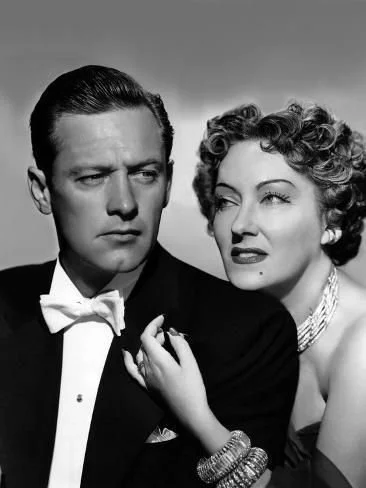
Sunset Boulevard (1950): Hollywood's Autopsy — Gloria Swanson, Billy Wilder, and the Film That Shook an Industry
In 1949, Billy Wilder sat inside a theatre in Evanston, Illinois, and watched his new film, Sunset Boulevard, fall apart in front of its first audience.
Wilder had made a picture about the stars Hollywood had abandoned, the illusions it had created, and the cruelty beneath its glamorous surface. But instead of being unsettled by what they saw, the audience was laughing — and the film that would become Hollywood's darkest portrait of itself seemed in danger of collapsing before anyone had truly seen it.
This episode goes behind the scenes of Sunset Boulevard — the film Billy Wilder conceived not as a love letter to Hollywood, but as an autopsy report. It traces the film from its dangerous beginnings: Wilder's collapsing writing partnership with Charles Brackett, a screenplay kept deliberately vague from Paramount, and a story about Hollywood that few established stars were willing to touch.
It follows the search for Norma Desmond — the forgotten silent-film goddess still waiting for her return to the screen. Greta Garbo refused. Mary Pickford was considered. Mae West was above it. Then Gloria Swanson returned to Paramount, the studio she had once ruled, to play a woman who could not accept that Hollywood had moved on without her.
The episode traces the last-minute casting of William Holden, brought in only weeks before filming began, and Erich von Stroheim, the director whose unfinished epic with Swanson had helped damage both of their careers, now reuniting with her more than twenty years later. Around them, Hollywood's past stepped in front of the camera: Cecil B. DeMille as himself, Buster Keaton among the forgotten silent stars at Norma's card table, and the ghost of Rudolph Valentino lingering over her mansion.
And it follows the film to the edge of disaster — preview audiences laughing through the whole thing, an entire sequence abandoned, and a dead man returned to a freezing swimming pool so the picture could begin again. Then came the private screening for Hollywood itself: Barbara Stanwyck kneeling before Gloria Swanson, Louis B. Mayer erupting at Billy Wilder, and a confrontation that became movie-business legend.
Sunset Boulevard received eleven Academy Award nominations, setting up a head-to-head showdown with All About Eve on Oscar night. In time, its images and lines would become inseparable from Hollywood mythology: the staircase, the close-up, and the faded star insisting that she was still big — it was the pictures that had grown small.
This is the story of Sunset Boulevard — and how, before it became one of Hollywood's most enduring portraits of fame, ambition, and delusion, it was a film audiences laughed at, studio executives recoiled from, and Hollywood almost didn't know what to do with.
WTWMI is written, produced, and hosted by Patrick Rankin. Original artwork by Simone Beech and original music by Lionel Ziblat.
Listen to this and our other episodes now, wherever you get your podcasts.


A century of Marilyn.
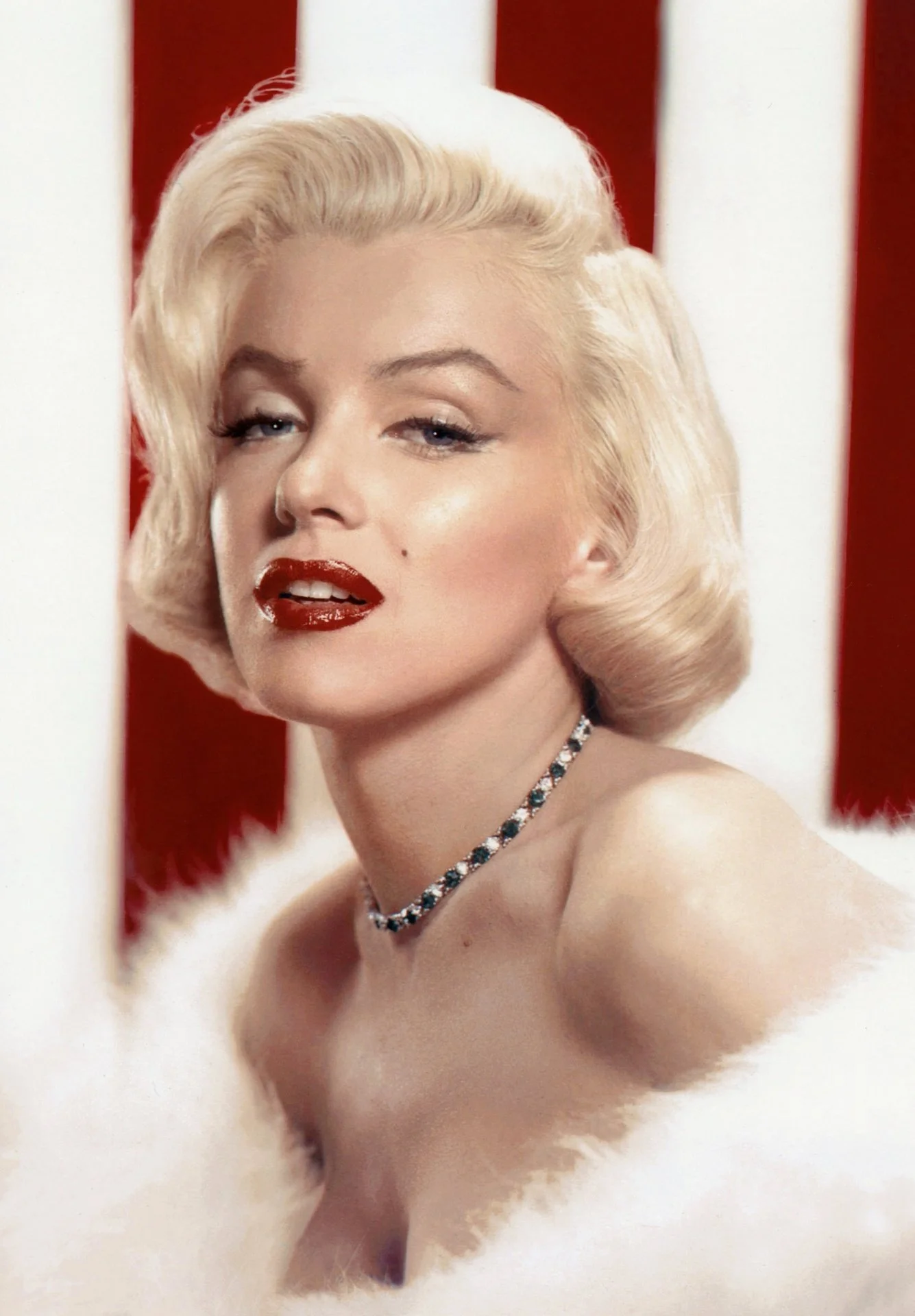
June 1, 2026, marks 100 years since Marilyn Monroe was born. To honor her centennial, WTWMI launches with a three-part series tracing her invention, her rise, and the cost of becoming the most famous woman in the world.
Listen to Part One, Part Two, and Part Three now.
A story of strength, ambition, and self-invention — about a girl who shouldn't have had a chance, and the woman she gave everything to become.
WTWMI — listen now, wherever you get your podcasts.