
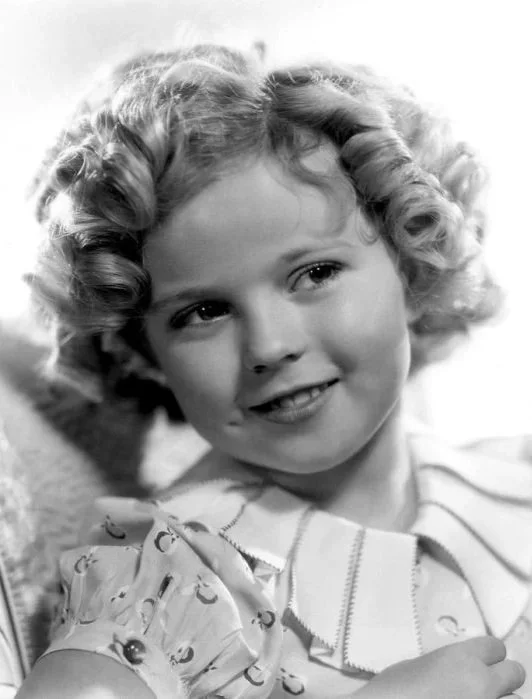
Shirley Temple: Hollywood's Most Famous Child Star — Depression-Era Stardom, the Studio System, and an Extraordinary Second Act
Shirley Temple was the most famous child star Hollywood had ever seen — a six-year-old who became America's biggest box-office attraction, helped carry Twentieth Century-Fox through the Great Depression, and grew up inside a studio system built around keeping her little for as long as possible.
From the bizarre Baby Burlesks shorts to Little Miss Marker, Bright Eyes, and "On the Good Ship Lollipop," Shirley became a national phenomenon almost overnight. Before she was seven, her face was everywhere, merchandise bore her name, and entire films were being designed around the curls, dimples, songs, and optimism audiences loved.
This episode follows Shirley through the height of her childhood fame: her Academy Juvenile Award, groundbreaking dances with Bill "Bojangles" Robinson in The Little Colonel, four years as America's number-one box-office star, and films including Curly Top, Wee Willie Winkie, Heidi, and The Little Princess. It also looks behind the image — at the exhausting schedules, the Twentieth Century-Fox publicity machine, the Graham Greene libel case, and the uncomfortable ways Hollywood sometimes packaged her childhood innocence.
But Shirley Temple was growing up.
A proposed role as Dorothy in The Wizard of Oz went to Judy Garland, The Blue Bird flopped, and at twelve Shirley left Fox. What followed was a difficult reinvention through MGM, teenage roles, marriage to John Agar, motherhood, divorce, and the discovery that the millions she had earned as a child had left her with remarkably little money.
But Shirley Temple's story didn't end with Hollywood.
After marrying Charles Black, Shirley Temple Black entered Republican politics and public service. She ran for Congress with Ronald Reagan's support, served under Richard Nixon at the United Nations, became U.S. ambassador to Ghana under Gerald Ford, and was later appointed ambassador to Czechoslovakia by George H. W. Bush — serving there during the Velvet Revolution and the collapse of communist rule.
This is the story of Hollywood's most famous child star — and the remarkable woman she became when she inevitably grew up.
WTWMI is written, produced, and hosted by Patrick Rankin. Original artwork by Simone Beech and original music by Lionel Ziblat.


A century of Marilyn.
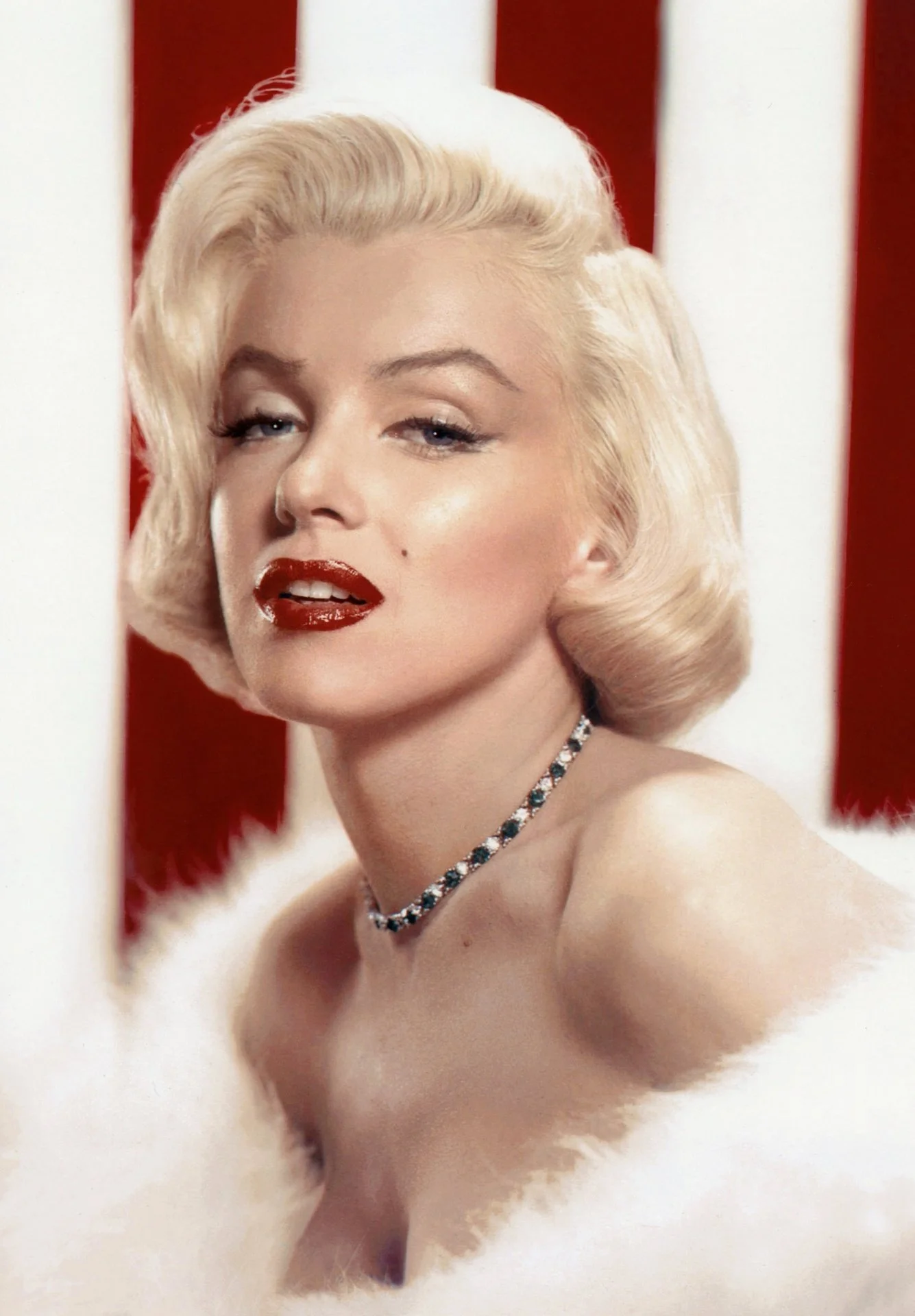
June 1, 2026, marks 100 years since Marilyn Monroe was born. To honor her centennial, WTWMI launches with a three-part series tracing her invention, her rise, and the cost of becoming the most famous woman in the world.
Listen to Part One, Part Two, and Part Three now.
A story of strength, ambition, and self-invention — about a girl who shouldn't have had a chance, and the woman she gave everything to become.
WTWMI — listen now, wherever you get your podcasts.