
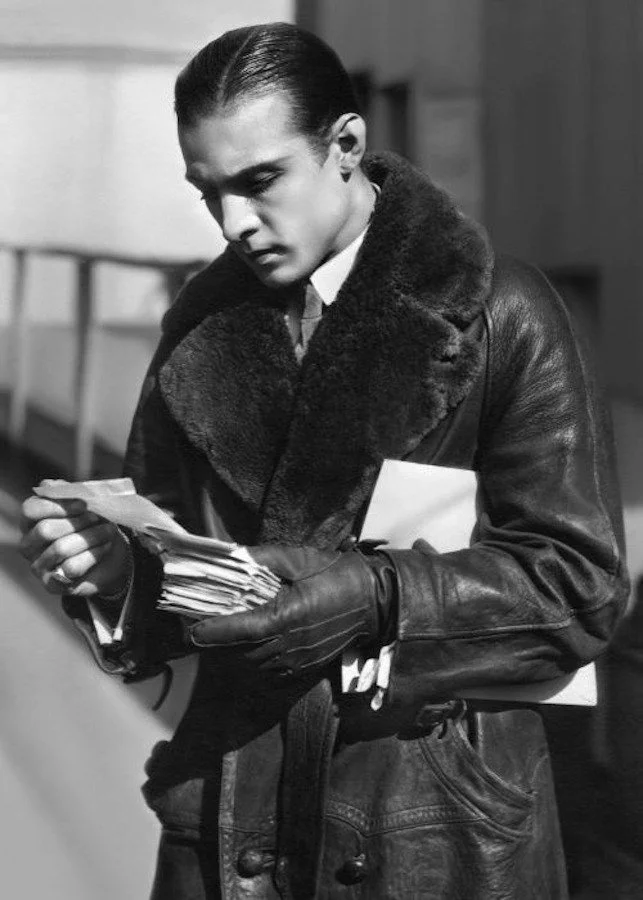
Rudolph Valentino: Hollywood's First Sex Symbol — Desire, Masculinity, and the Myth That Outlived the Man
In August 1926, a man in black lay inside a New York funeral home while a hundred thousand people rioted in the streets to get closer. Windows shattered. Police charged the crowd on horseback. There were reports of suicides.
None of them had ever met him. They had only ever known the image — and the image, it turned out, was immortal in a way the man never got to be.
Before he became the most famous face in the world — before he made America question what it meant to be a man — Rudolph Valentino was Rodolfo Guglielmi, an Italian immigrant scraping by on dimes as a taxi dancer in New York, one scandal away from sailing home in defeat.
This episode traces his invention, his rise, and the cost of becoming a fantasy that had no room for the real person inside it — from a sun-bleached hill town in southern Italy to the dance halls of Manhattan, from a forgettable string of villain roles to The Four Horsemen of the Apocalypse and the tango that made women feel something they weren't supposed to want. It follows him through The Sheik, the film that rewrote the vocabulary of American flirtation and turned him into something the country had never seen and couldn't quite name. It traces the strike that froze him out of the industry he'd conquered, the bigamy arrest, and the years he spent fighting to prove he was more than the Latin Lover — only to watch audiences reject every attempt and demand the fantasy back.
It also follows the private man behind the smolder. Natacha Rambova — the brilliant, uncompromising artist he loved, married twice, and ultimately gave up to save his career. June Mathis, the woman who saw a star where everyone else saw a villain, and who would be there at the beginning, the middle, and — long after his death — the end. And the national campaign to destroy him: the whispers of effeminacy, the "Pink Powder Puff" attack, and the men who never stopped swinging at a kind of masculinity they couldn't understand.
And finally, August 23, 1926. A perforated ulcer, a shocking turn, and a death at thirty-one that the world turned into something stranger than grief. The crypt he was never meant to stay in, and the mysterious Lady in Black who never let him be forgotten. A myth that strangers have been painting their dreams onto for a hundred years.
This is the story of the first male sex symbol — the man who proved desire could sell tickets, who let the camera linger on him, and who invented a template Hollywood has relied on ever since.
A man who got everything he ever wanted, and discovered it wasn't enough.
Released Tuesday, June 9, 2026, ahead of the centennial of Valentino’s death on August 23.
Listen now, wherever you get your podcasts.


A century of Marilyn.
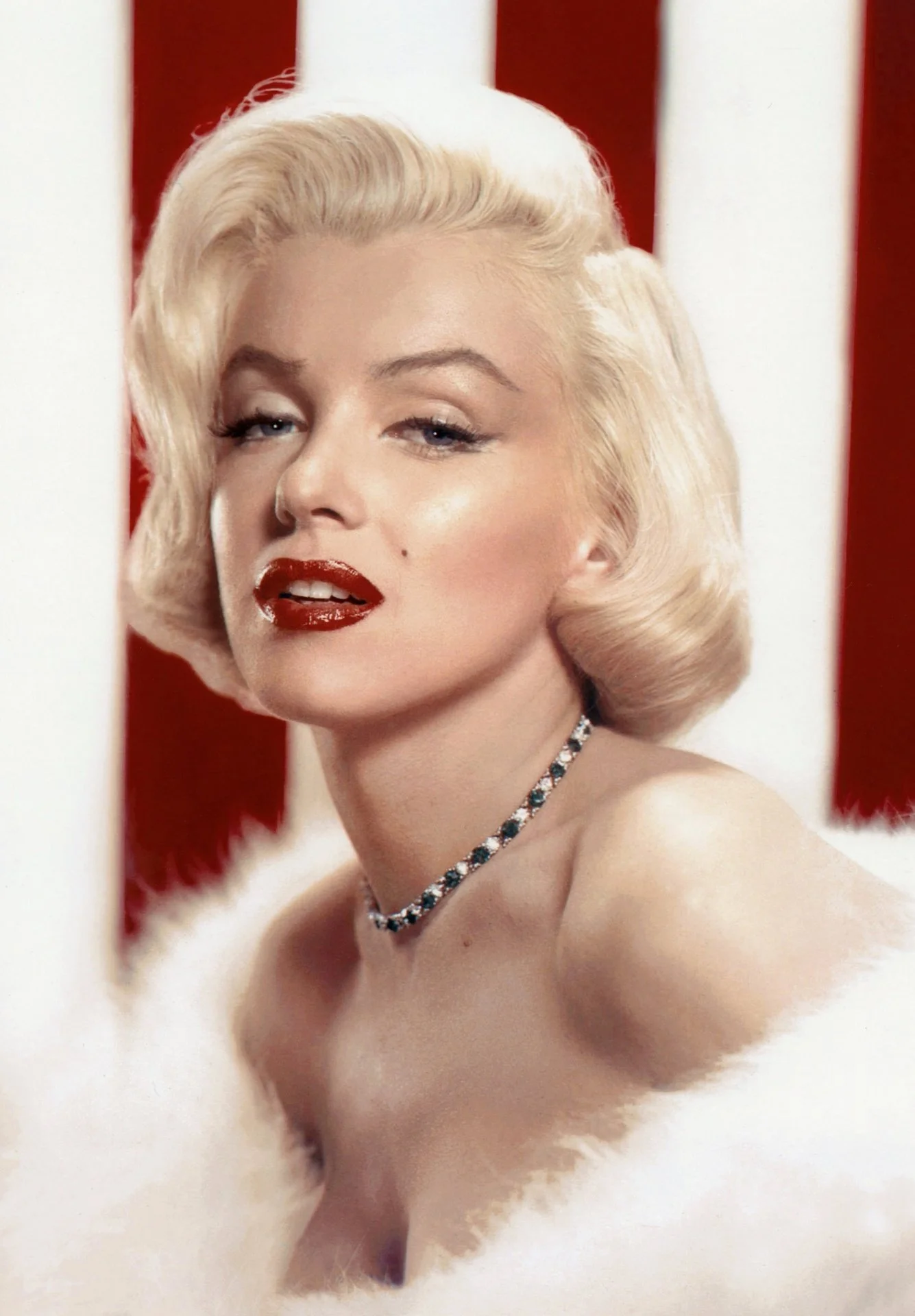
June 1, 2026, marks 100 years since Marilyn Monroe was born. To honor her centennial, WTWMI launches with a three-part series tracing her invention, her rise, and the cost of becoming the most famous woman in the world.
Listen to Part One, Part Two, and Part Three now.
A story of strength, ambition, and self-invention — about a girl who shouldn't have had a chance, and the woman she gave everything to become.
WTWMI — listen now, wherever you get your podcasts.