
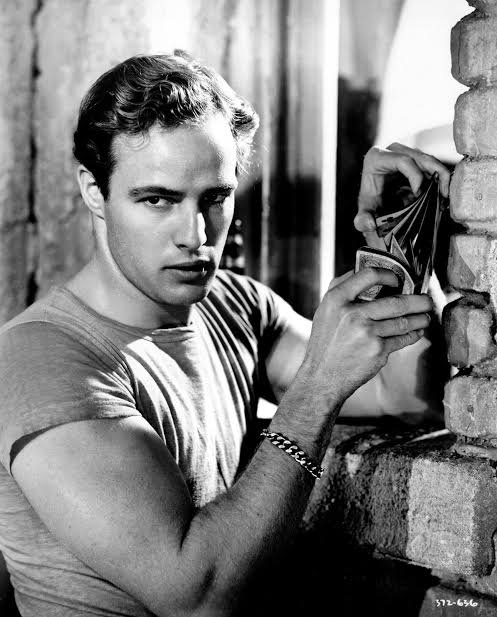
Marlon Brando, Part 1: The Early Years — A Streetcar Named Desire, On the Waterfront, and the Oscar That Changed Everything
This is Part 1 of our three-part series on Marlon Brando.
On December 3, 1947, at the Ethel Barrymore Theatre in New York, a twenty-three-year-old actor in a torn T-shirt walked onto a Broadway stage — and American acting was never the same again.
Before he became Marlon Brando, he was Bud: a restless, wounded kid from Omaha, raised in a house of drinking, silence, violence, and disappearing love. A boy who searched bars for his mother, fought his father, failed school, got expelled, and somehow found, on a stage, the one place where all that sensitivity finally had somewhere to go.
Part 1 of our three-part series on Marlon Brando traces the making of the actor who changed what screen performance could look like — from a hard-drinking Midwest childhood to Stella Adler's classroom in New York, from early Broadway roles to the night A Streetcar Named Desire opened and turned him into the most talked-about young actor in America.
It follows him into Hollywood on his own terms: no studio contract, no long-term deal, one film at a time. The Men. A Streetcar Named Desire on screen. Viva Zapata! Julius Caesar. The Wild One. And finally, On the Waterfront — the film Elia Kazan built as a defense of informing, and the performance that would win Brando his first Oscar.
It also follows what fame could not fix. His mother Dodie, the open wound he never stopped trying to close. His mentor Kazan, who saw his genius before almost anyone — and then named names before HUAC. And the strange, uneasy fact that by the time Hollywood finally crowned Brando at thirty, the thing it wanted from him was already something he was trying to escape.
This is the story of how a restless, sensitive boy became the most important actor of his generation — and why, at the very height of his early power, he was already ready to burn it all down.
WTWMI is written, produced, and hosted by Patrick Rankin. Original artwork by Simone Beech and original music by Lionel Ziblat.
All three parts of WTWMI's Marlon Brando series are available now.


A century of Marilyn.
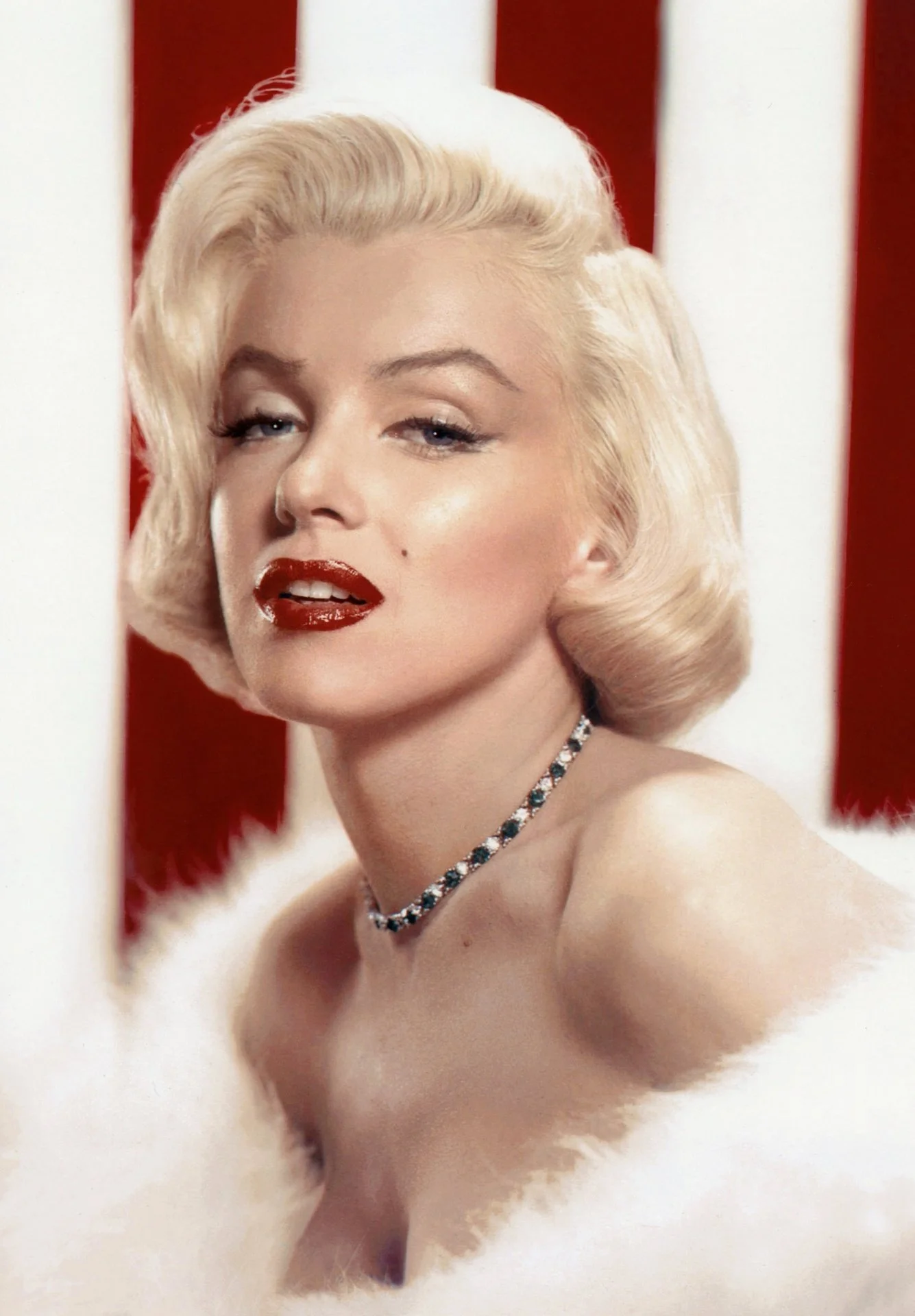
June 1, 2026, marks 100 years since Marilyn Monroe was born. To honor her centennial, WTWMI launches with a three-part series tracing her invention, her rise, and the cost of becoming the most famous woman in the world.
Listen to Part One, Part Two, and Part Three now.
A story of strength, ambition, and self-invention — about a girl who shouldn't have had a chance, and the woman she gave everything to become.
WTWMI — listen now, wherever you get your podcasts.