
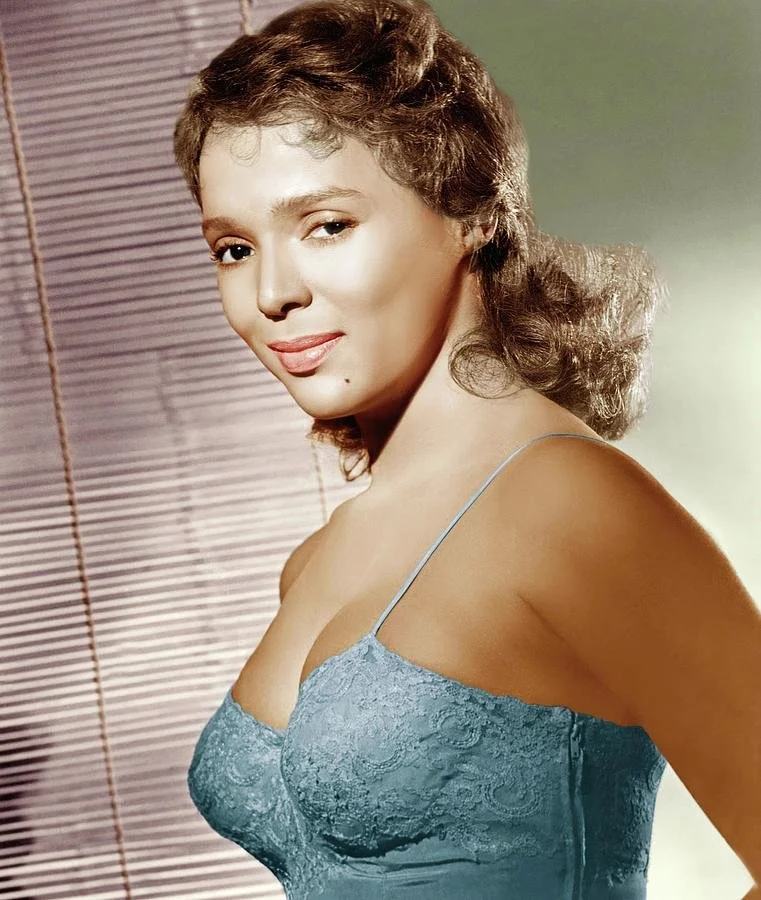
Dorothy Dandridge, Part 2: Hollywood's First Black Leading Lady — Island in the Sun, Porgy and Bess, and the Promise Hollywood Couldn't Keep
This is Part 2 of our two-part series on Dorothy Dandridge.
By 1955, Dorothy Dandridge had done what Hollywood once seemed determined to make impossible — become a genuine leading lady, carry a major studio picture, and earn a Best Actress nomination at the Academy Awards. But after Carmen Jones, the breakthrough Hollywood celebrated would become a career it had no idea how to sustain.
Part 2 of our two-part series on Dorothy Dandridge begins on Oscar night in 1955, with Dandridge seated alongside Grace Kelly, Judy Garland, Audrey Hepburn, and Jane Wyman as the first Black woman ever nominated for Best Actress. A new contract with Twentieth Century-Fox seemed to promise that Carmen Jones was only the beginning. Instead, leading roles disappeared, major projects stalled, and Dandridge found herself caught inside an industry willing to celebrate a Black star but still deeply uncomfortable building films around one.
The episode follows Dandridge through the years that followed — from becoming the first Black performer to headline the Waldorf-Astoria's Empire Room and her increasingly complicated relationship with director Otto Preminger, to Island in the Sun, the controversial interracial romance that provoked bans, protests, and Ku Klux Klan pickets while still becoming one of the year's biggest hits. It traces her battle with scandal magazine Confidential, her testimony in one of Hollywood's most sensational trials, and her search for better roles outside the studio system in films including Tamango and The Decks Ran Red.
And then came Porgy and Bess — the enormous Samuel Goldwyn production that reunited Dandridge with Preminger, placed her opposite Sidney Poitier, and finally offered another major starring role four years after her Oscar nomination. But neither the film nor the years that followed could restore the career Hollywood had once seemed ready to give her.
Part 2 also follows Dandridge's marriage to Jack Denison, the financial losses that helped push her into bankruptcy, the devastating decision to place her daughter Lynn in state care, and her attempts to rebuild a career and a life in the years before her death at just forty-two.
And it follows the legacy that grew after she was gone — from her gradual rediscovery to Halle Berry's long fight to bring her story to the screen, and the night in 2002 when Berry became the first Black woman to win the Best Actress Oscar Dandridge had been the first to reach nearly half a century earlier.
This is the story of what happened after the breakthrough — when Dorothy Dandridge discovered that becoming Hollywood's first Black leading lady did not mean Hollywood was prepared to let her remain one.
Part 1 of our two-part series on Dorothy Dandridge is out now.


A century of Marilyn.
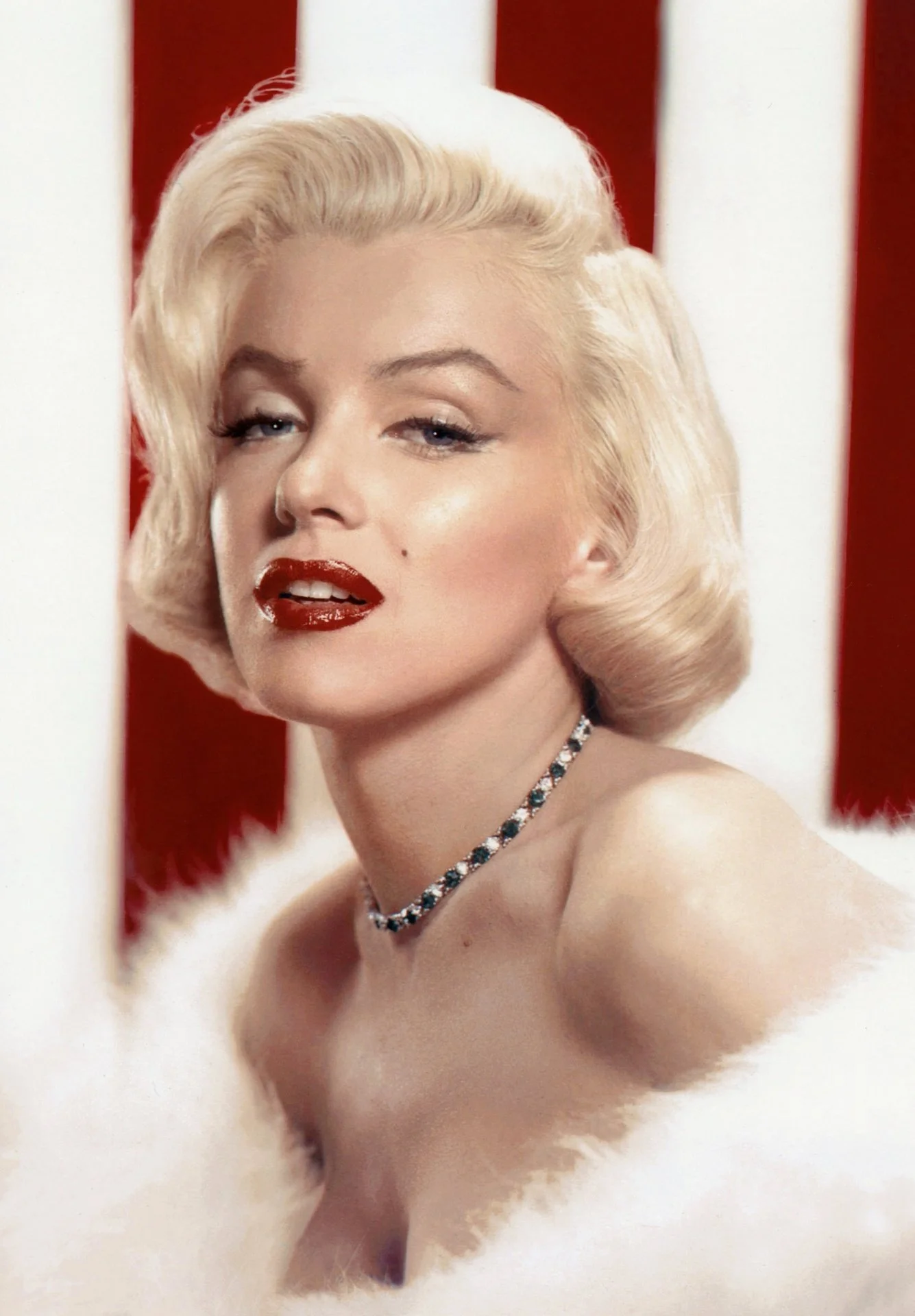
June 1, 2026, marks 100 years since Marilyn Monroe was born. To honor her centennial, WTWMI launches with a three-part series tracing her invention, her rise, and the cost of becoming the most famous woman in the world.
Listen to Part One, Part Two, and Part Three now.
A story of strength, ambition, and self-invention — about a girl who shouldn't have had a chance, and the woman she gave everything to become.
WTWMI — listen now, wherever you get your podcasts.