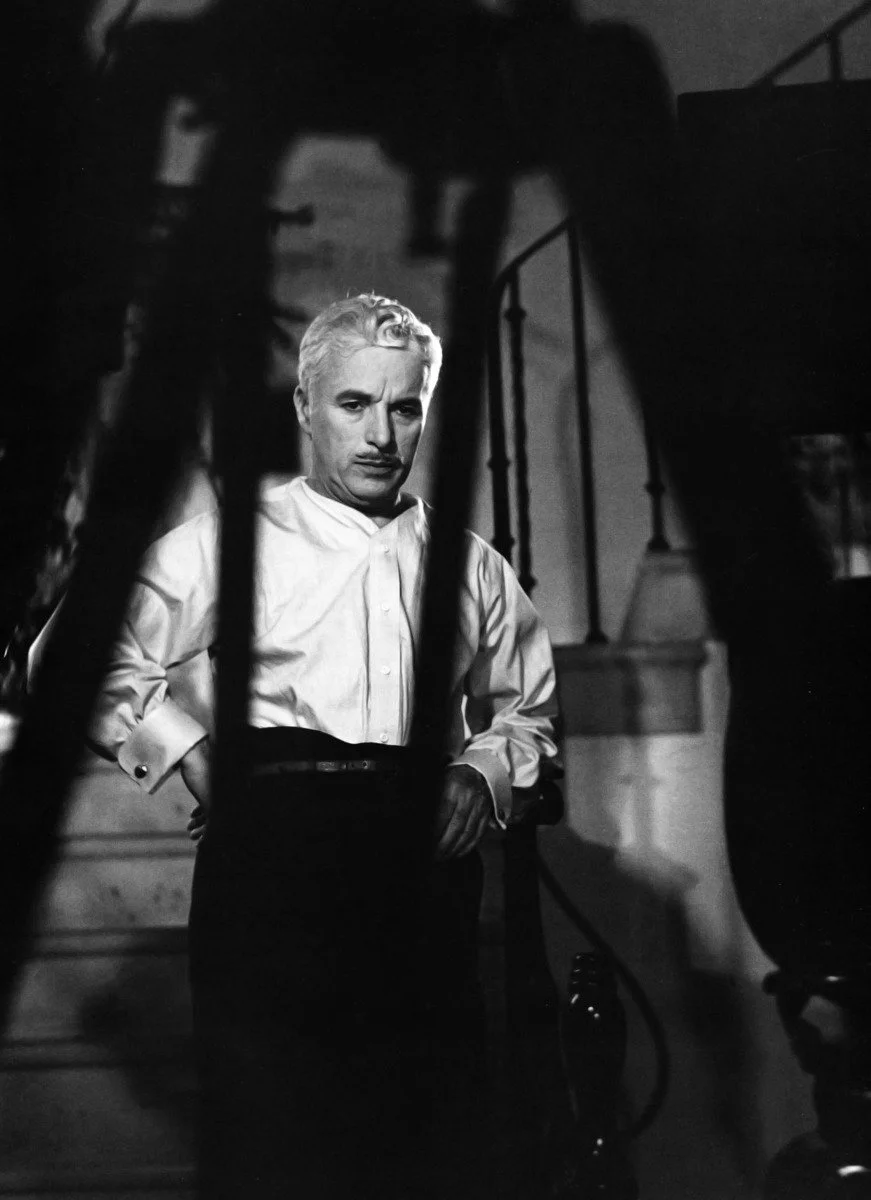

Charlie Chaplin — The King of Comedy: The Tramp, the Filmmaker, and the Most Famous Man in the World
In 1914, on a Keystone studio lot, a twenty-four-year-old English music-hall comic was told to put on a comedy makeup. Anything will do. On the walk to wardrobe, he pulled on a pair of baggy trousers, a tight coat, a small derby, and a square mustache. He had no idea who the character was. Then he stepped onto the stage, and within four years, he was the most famous man on earth.
Before he became Charlie Chaplin — before the Tramp, before United Artists, before The Kid and The Gold Rush and City Lights — he was a child in a London slum, born to two music-hall performers who couldn't stay together and couldn't stay afloat. A father who drank himself to death. A mother who sang on stage until her voice gave out, and then began to lose her mind. A seven-year-old separated from her at the gates of the Lambeth Workhouse, carried through the streets in a horse cart, watching the only person who loved him slowly disappear into an asylum he could not follow her into.
He never forgot any of it. He spent the next eighty years turning it into the most beloved character in the history of cinema.
This episode traces his life in full — from the rooms above the slaughterhouse in Kennington, through the music halls of Edwardian London, to the moment he stepped off a boat in New York in 1913 and never went back. It follows him into Keystone and the invention of the Tramp, the dizzying years of becoming the first global celebrity the world had ever produced, and the founding of United Artists in 1919 — the rebellion that gave him final cut on everything that came after. The masterpieces that followed when no one could tell him no. The impossible decision to keep the Tramp silent into the sound era. And the speech at the end of The Great Dictator — the first time the Tramp ever spoke, and what he chose to say with his voice.
It also follows the private life that America would never quite forgive. The four marriages, two of them to teenagers. The much younger women, again and again. The paternity trial brought by a young actress named Joan Barry — the blood tests that proved he wasn't the father, the jury that ruled against him anyway, and the FBI file that had been quietly thickening for years. And finally, in September 1952, two days out at sea on the Queen Elizabeth, bound for the London premiere of Limelight — the cable that told him he would not be allowed to come back. He didn't set foot in the United States again for twenty years.
And his quiet last act, after all of it — twenty-five years above Lake Geneva with his young wife Oona and their eight children, the honorary Oscar in 1972, the twelve-minute standing ovation, the knighthood, and the Christmas morning in 1977 when he died in his sleep at eighty-eight.
This is the story of a child of the workhouse who built the most recognizable face in the world out of his own poverty — and of the country that loved him, made him, and in the end could not bear him any longer.
Listen to WTWMI now, wherever you get your podcasts.
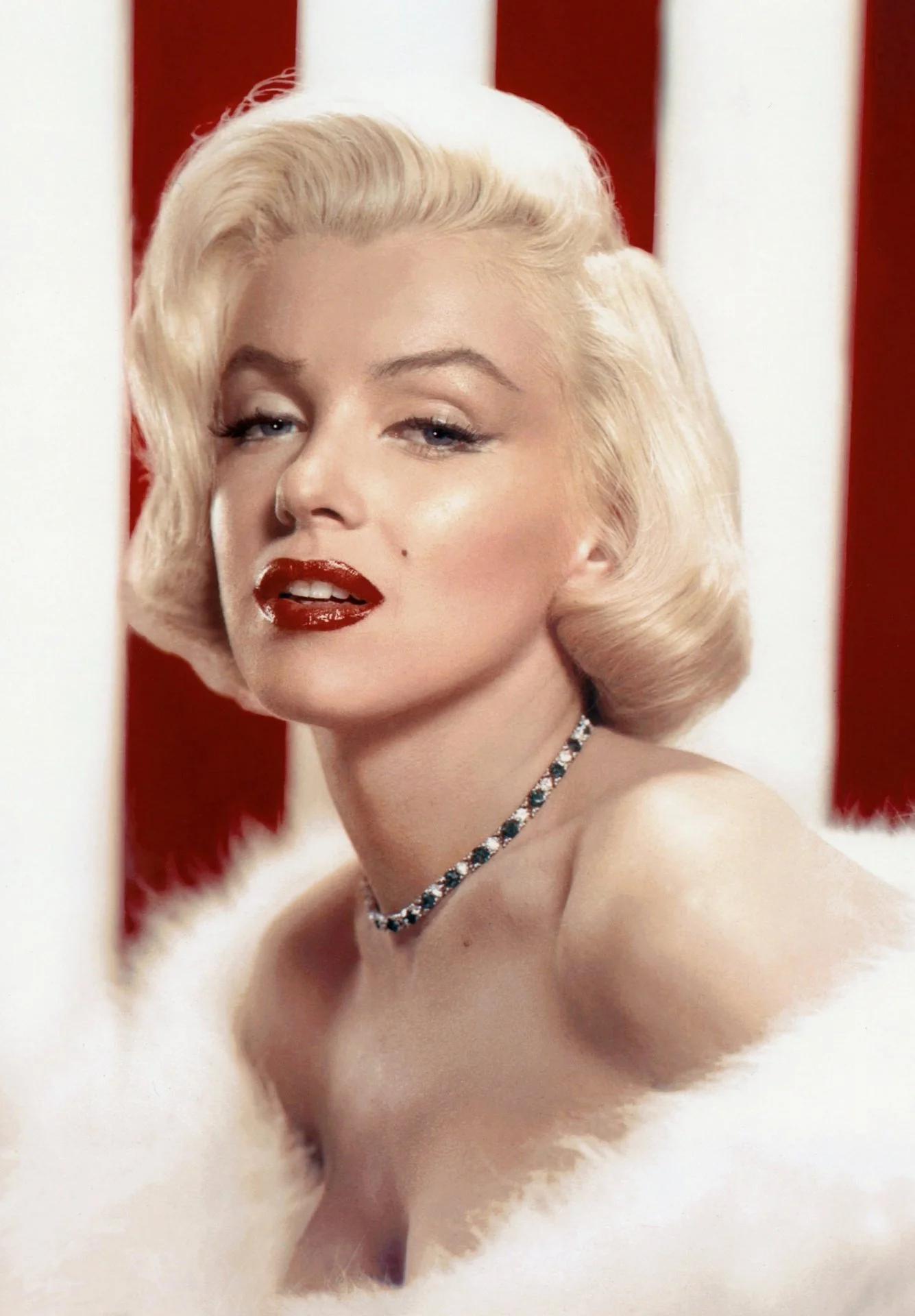
A century of Marilyn.
June 1, 2026, marks 100 years since Marilyn Monroe was born. To honor her centennial, WTWMI launches with a three-part series tracing her invention, her rise, and the cost of becoming the most famous woman in the world.
Listen to Part One now. Part Two drops June 2, the day after what would have been her 100th birthday, with Part Three dropping June 9.
A story of strength, ambition, and self-invention — about a girl who shouldn't have had a chance, and the woman she gave everything to become.
WTWMI — listen now, wherever you get your podcasts.