
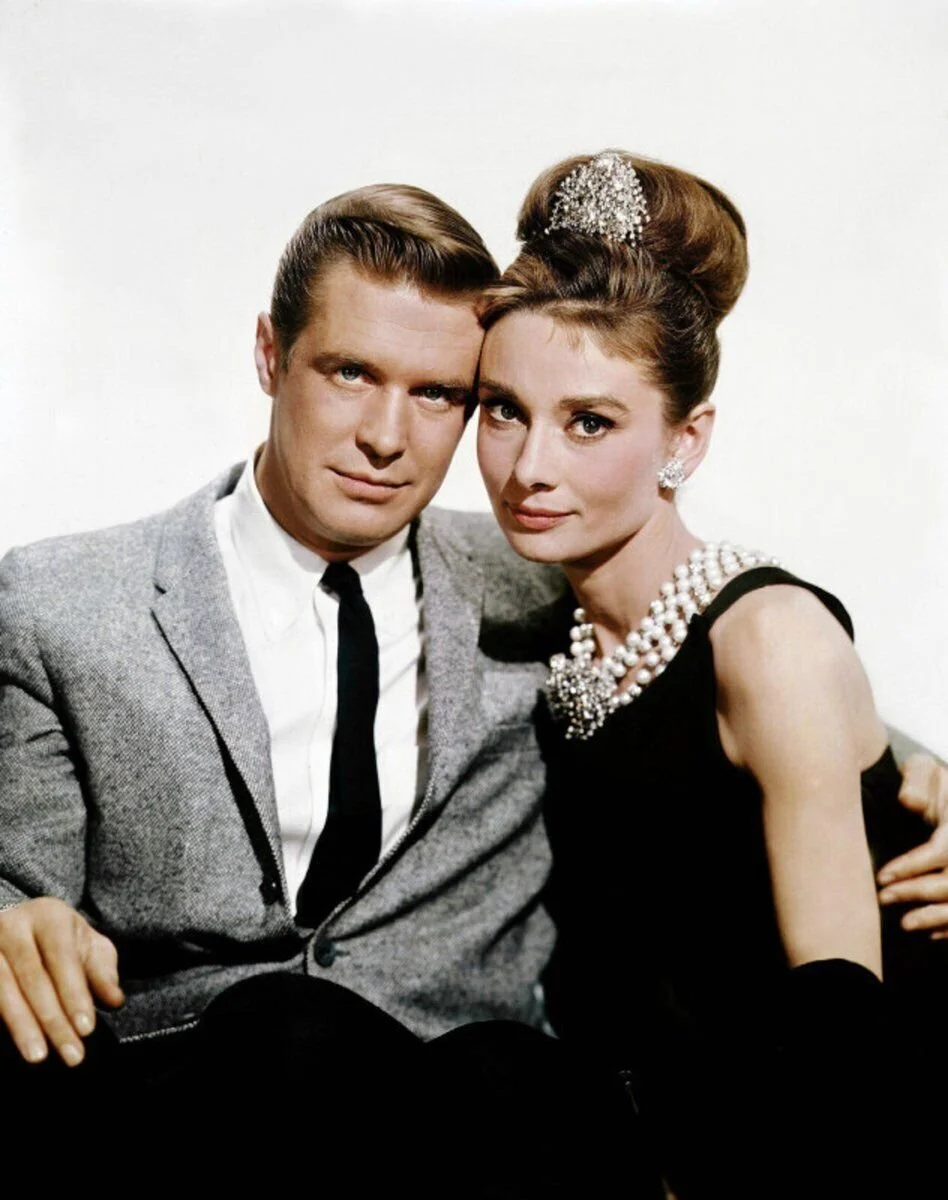
Breakfast at Tiffany's (1961): Audrey Hepburn, Truman Capote, and the Transformation of Holly Golightly
By 1958, Truman Capote had written something he knew would cause trouble. A heroine who danced along the edge of prostitution. An ending that refused resolution. A character built from abandonment, reinvention, and survival — and designed, deliberately, to resist being saved. Harper's Bazaar bought the novella and then refused to publish it. Esquire ran it without changes. And when Hollywood came calling, Capote allowed himself to believe the right people might understand what he'd made.
They didn't.
This episode traces how Breakfast at Tiffany's got made — and what it cost to get there.
It follows the first screenwriter fired for staying too close to Capote's vision, and George Axelrod's systematic dismantling of everything that made Holly dangerous — transforming her from wounded survivor into lovable eccentric, and writing the happy ending Capote never gave her. It traces the casting: Marilyn Monroe, Capote's own choice, rejected by her own team. Shirley MacLaine, Kim Novak, and Joanne Woodward all passing. And finally Audrey Hepburn — who made no creative sense and every strategic one, whose presence alone declared what kind of film this would be. The firing of director John Frankenheimer, who used his free time to make The Manchurian Candidate. And the hiring of Blake Edwards, who flew to Switzerland and told Hepburn's team exactly what they needed to hear.
It follows the production: the dawn shoot on Fifth Avenue with forty armed guards and Tiffany's open on a Sunday for the first time in history. The six-day party sequence filmed on real champagne. The war between Edwards and George Peppard that nearly came to blows on set. Mickey Rooney in yellowface. And a fire escape, a guitar, and a small uncertain voice singing three notes that a composer had written in thirty minutes — the one unguarded moment that survived everything.
And then the battle to keep it. A preview screening, a studio executive, and a demand that Moon River be cut from the film entirely. The confrontation that followed. And the song that stayed.
Breakfast at Tiffany's became one of 1961's biggest commercial successes, earned five Academy Award nominations, and sent Truman Capote into a fury he carried for the rest of his life. It also became something no one involved could have predicted: not a film exactly, but an image — a black dress, a cigarette holder, a window full of diamonds — more famous than the story it came from, and more enduring than almost anyone who made it.
What Hollywood did to Holly Golightly was exactly what Capote feared. What it created was something else entirely.
WTWMI is written, produced, and hosted by Patrick Rankin. Original artwork by Simone Beech and original music by Lionel Ziblat.
Releasing Tuesday, June 23, 2026. Listen to our other episodes now, wherever you get your podcasts.


A century of Marilyn.
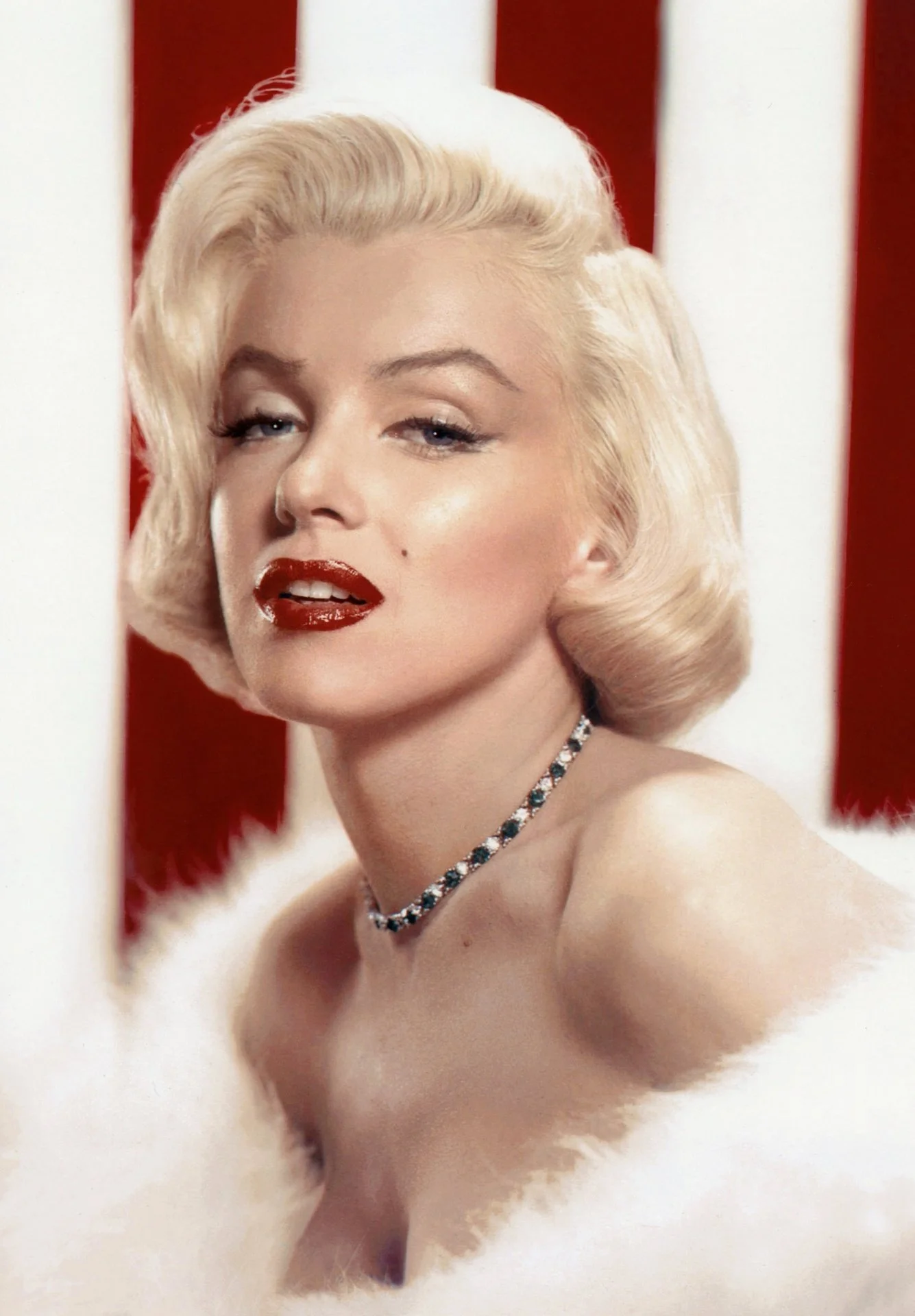
June 1, 2026, marks 100 years since Marilyn Monroe was born. To honor her centennial, WTWMI launches with a three-part series tracing her invention, her rise, and the cost of becoming the most famous woman in the world.
Listen to Part One, Part Two, and Part Three now.
A story of strength, ambition, and self-invention — about a girl who shouldn't have had a chance, and the woman she gave everything to become.
WTWMI — listen now, wherever you get your podcasts.