
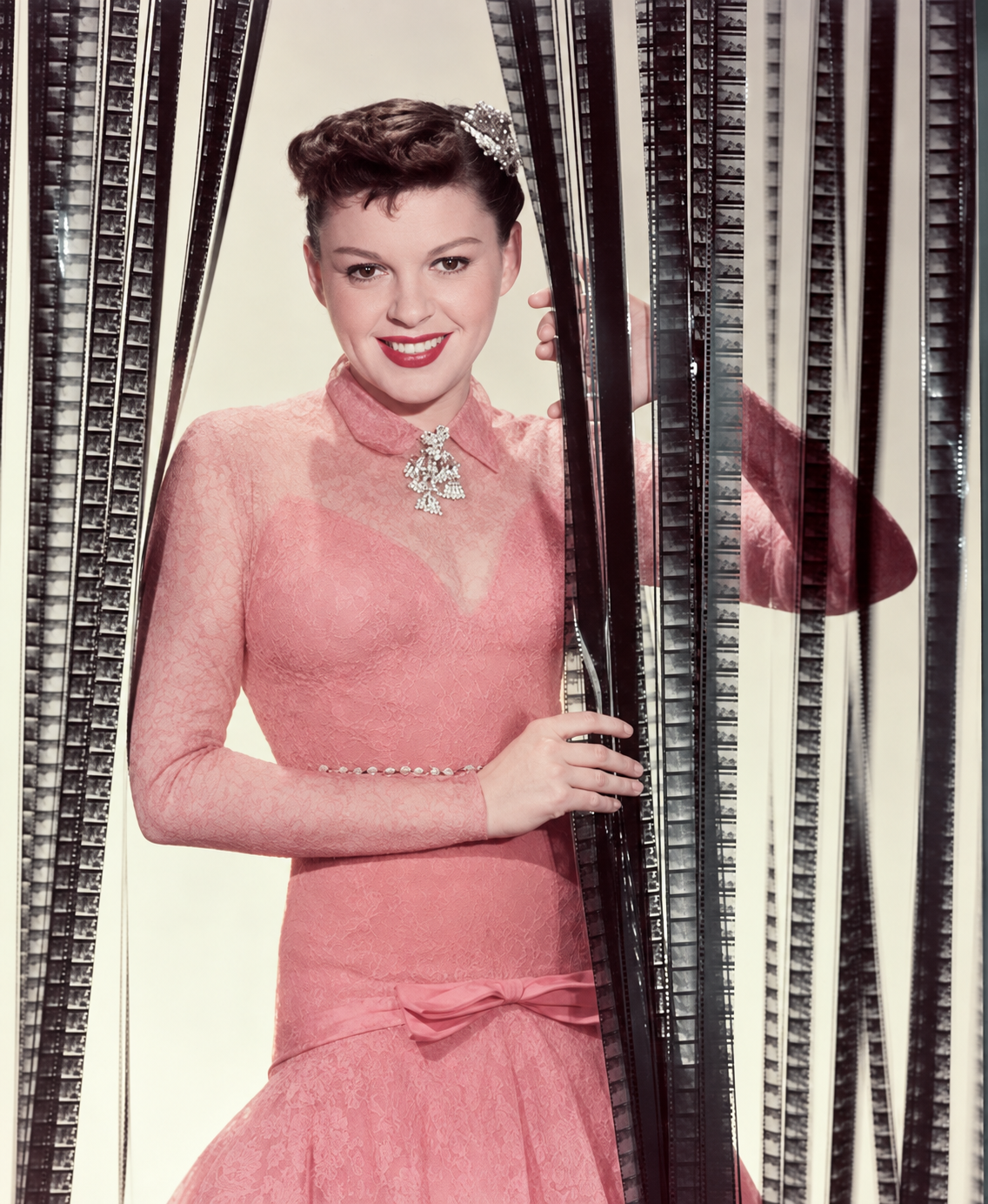
Judy Garland's A Star Is Born (1954): Hollywood's Most Complicated Comeback — A Fragile Icon, Studio Butchering, and an Infamous Oscar Upset
By 1950, MGM was done with Judy Garland — and so, it seemed, was Hollywood. A Star Is Born was the film that was supposed to change all of that.
After a devastating breakdown, the end of her studio contract, and an industry convinced she was finished, Garland spent the next two years rebuilding herself — on concert stages in London, Dublin, and New York. By 1952, she and her husband-manager, Sid Luft, were betting everything on one extraordinary project.
This episode follows the making of the 1954 musical remake of A Star Is Born — the picture designed to bring Garland back to Hollywood. It traces the unlikely partnership behind it: Luft, an ambitious outsider with little producing experience; George Cukor, one of Hollywood's most respected directors; Warner Bros.; and a cast led by Garland and James Mason as the rising Esther Blodgett and the fading star Norman Maine.
From the search for a leading man — including George Cukor's pursuit of Cary Grant — to the arrival of Mason, Harold Arlen and Ira Gershwin's songs, and the creation of 'The Man That Got Away,' A Star Is Born became far more ambitious than a simple remake: a lavish CinemaScope musical, a personal comeback vehicle, and one of the most closely watched productions in Hollywood.
But the production was troubled almost from the beginning. Eight days into filming, Warner Bros. abandoned its new widescreen process and ordered the film restarted. The shoot stretched across nine months, the budget more than doubled, and Garland's ongoing struggles with exhaustion and prescription medication collided with the immense pressure of carrying a major studio picture.
And yet, the work on screen was remarkable.
When A Star Is Born premiered in September 1954, critics hailed Garland's performance as the triumph everyone had hoped for. The film was a major event, drawing rapturous reviews and positioning Garland as the frontrunner for the Academy Award for Best Actress.
Then Warner Bros. cut nearly half an hour from the film to make room for additional daily screenings. Musical numbers and crucial dramatic scenes disappeared. The picture's emotional structure was damaged, its box-office prospects weakened, and Garland's long-awaited Oscar night ended in one of Hollywood's most famous upsets.
This is the story of Judy Garland's great screen comeback: the film that proved exactly what she could do, the studio decisions that changed its fate, and the decades-long effort to recover the lost version audiences had fallen in love with.
New episodes of When They Were Making It drop every Tuesday. Follow now wherever you get your podcasts.
WTWMI is written, produced, and hosted by Patrick Rankin. Original artwork by Simone Beech and original music by Lionel Ziblat.


A century of Marilyn.
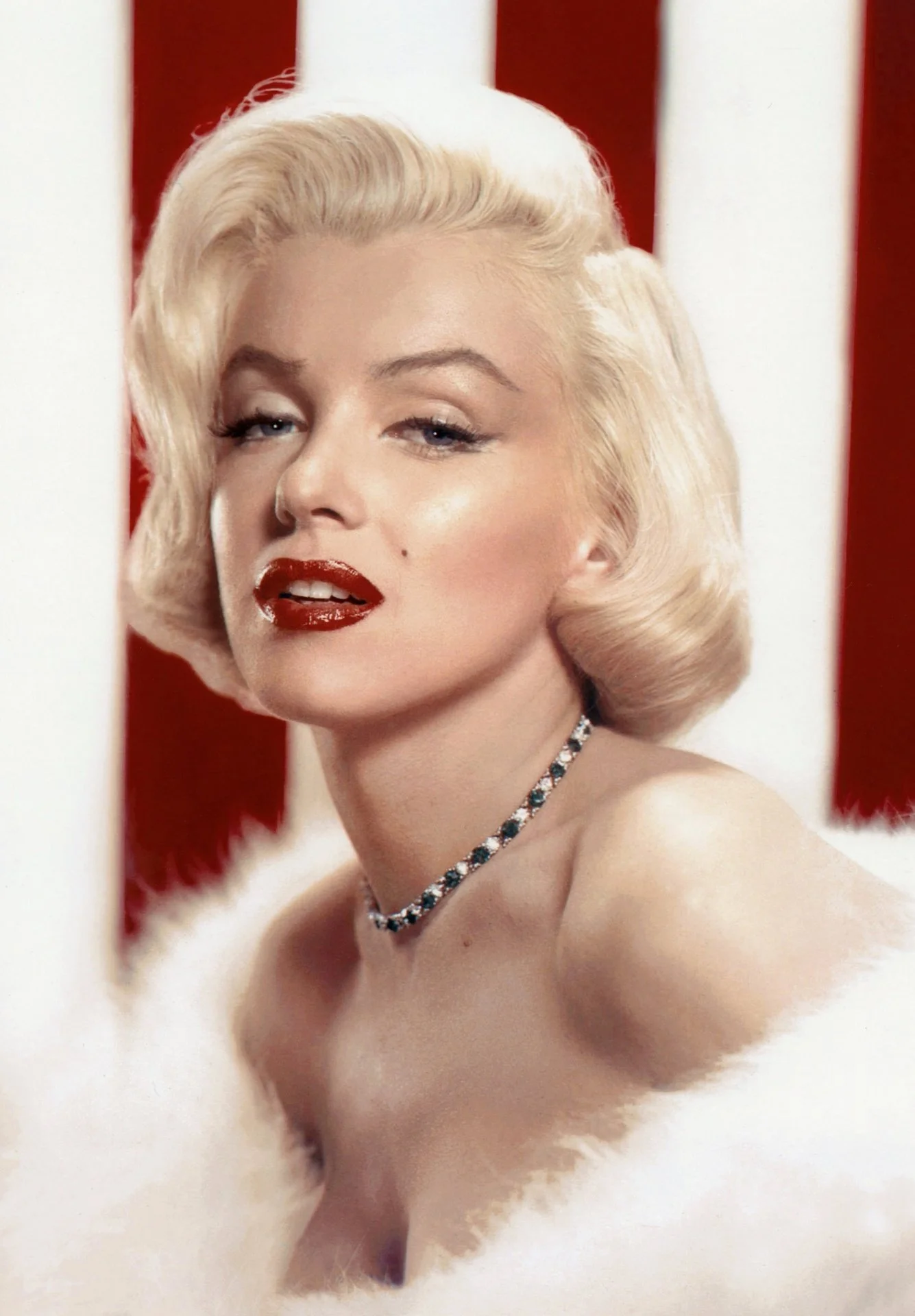
June 1, 2026, marks 100 years since Marilyn Monroe was born. To honor her centennial, WTWMI launches with a three-part series tracing her invention, her rise, and the cost of becoming the most famous woman in the world.
Listen to Part One, Part Two, and Part Three now.
A story of strength, ambition, and self-invention — about a girl who shouldn't have had a chance, and the woman she gave everything to become.
WTWMI — listen now, wherever you get your podcasts.